Guinea’s Fonio Program Moves from Proof of Concept to Proof of Scale
In 2024, Terra Ingredients demonstrated that a fonio supply chain of small-scale farmers earning fair market wages is viable with effective leadership. In its first year, our Koubia cooperative empowered more than 500 women, increased farmers’ wages by 25%, and raised average family incomes by 20%, delivering a significant positive impact on local communities.
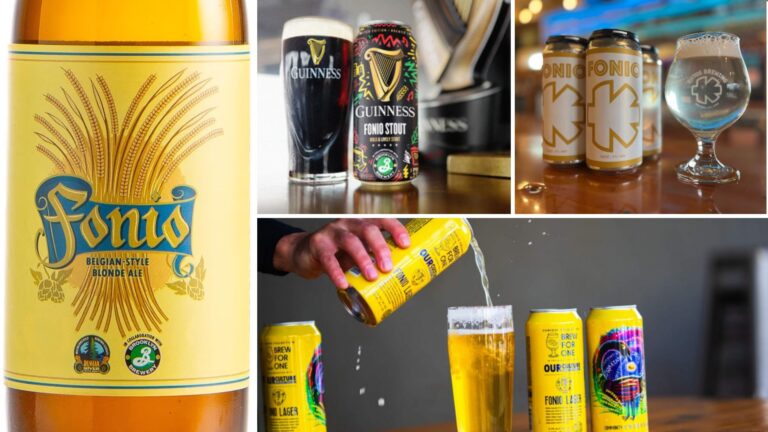
In 2025, our team set out to answer the critical question that every emerging ingredient like fonio eventually faces: Can it scale? Fonio, an ancient West African grain valued for its resilience, nutrition, and versatility, has attracted chefs, brewers, and brands focused on sustainability in recent years, but interest alone is not enough to create supply chains.
Since launching our fonio initiative in 2023, we have seen that fonio can scale quickly and reliably in Guinea. However, the next challenge is to increase demand, improve processing efficiency, and align infrastructure with actual market needs.
The 2025 Guinea Fonio Impact Report highlights this progress, celebrating significant growth while directly addressing the constraints that must be overcome for fonio’s continued advancement.
From Pilot to Platform: A Year of Accelerated Growth
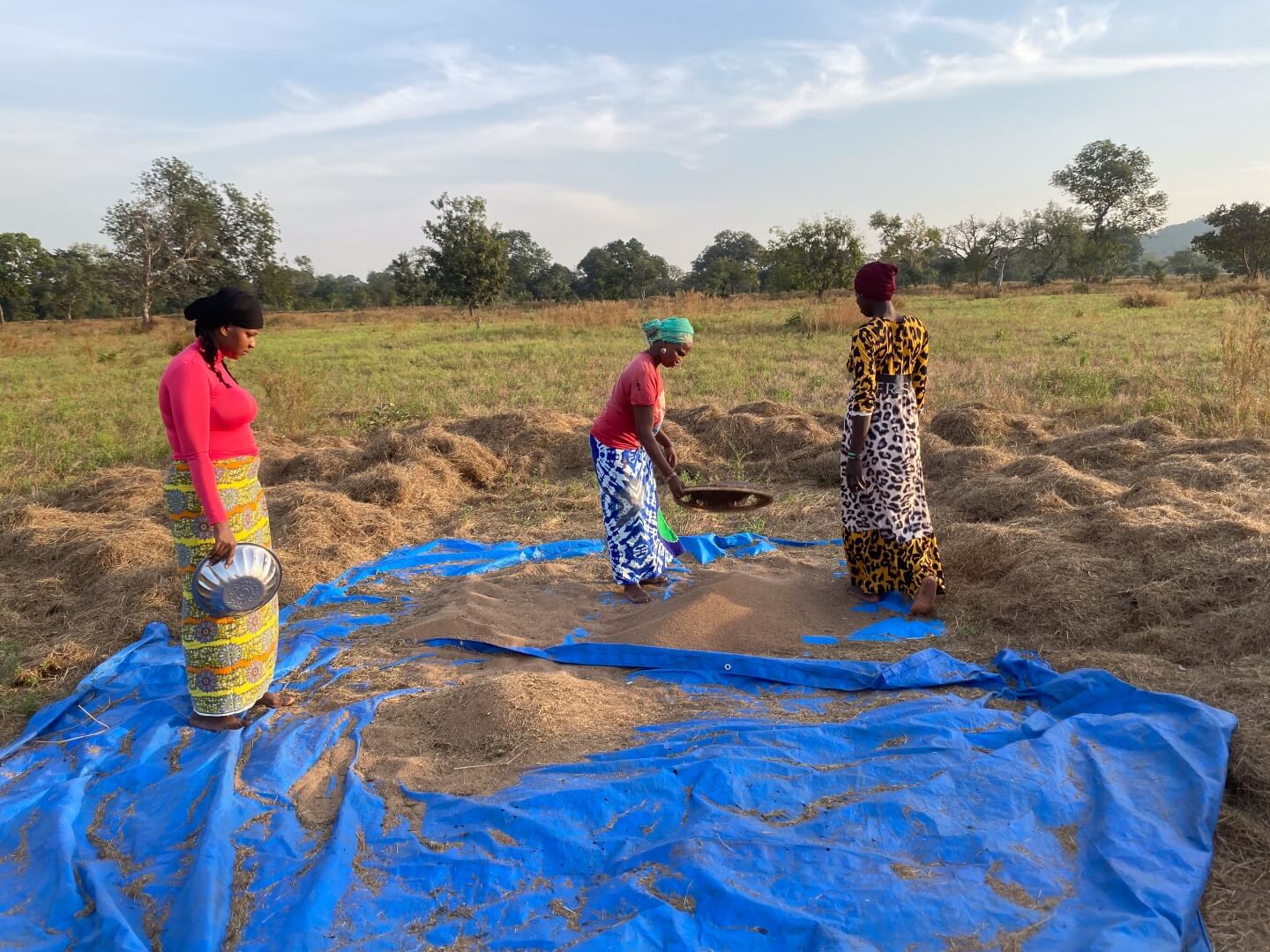
When Terra Ingredients and its Guinean partners formalized the fonio program, production volumes were kept modest to prioritize farmer training, cooperative organization, and quality. In 2024, participating cooperatives produced about 800 metric tons across 650–680 hectares.
In 2025, these figures increased significantly.
- Total production: nearly 2,000 metric tons
- Acreage under cultivation: 1,675 hectares (more than double year-over-year)
- Participating farmers: approximately 1,700, up from 1,400 the previous year
According to Osman Diallo, Terra Ingredients’ partner leading the fonio initiative in Guinea, this growth was not theoretical; it was driven by the farmers themselves.
“We asked if the farmers could scale to 1,500 metric tons. Not only did they do it — they exceeded it.”
For global food companies, this milestone is significant. Scalability is often the primary criterion in procurement decisions. In one season, Guinea’s fonio farmers showed they can expand acreage, increase yields, and deliver volume without compromising quality. Robust quality control measures, including rigorous testing and adherence to industry certifications, ensure product consistency and reassure buyers that high standards are maintained throughout production.
Yield Improvements Through Practical Innovation
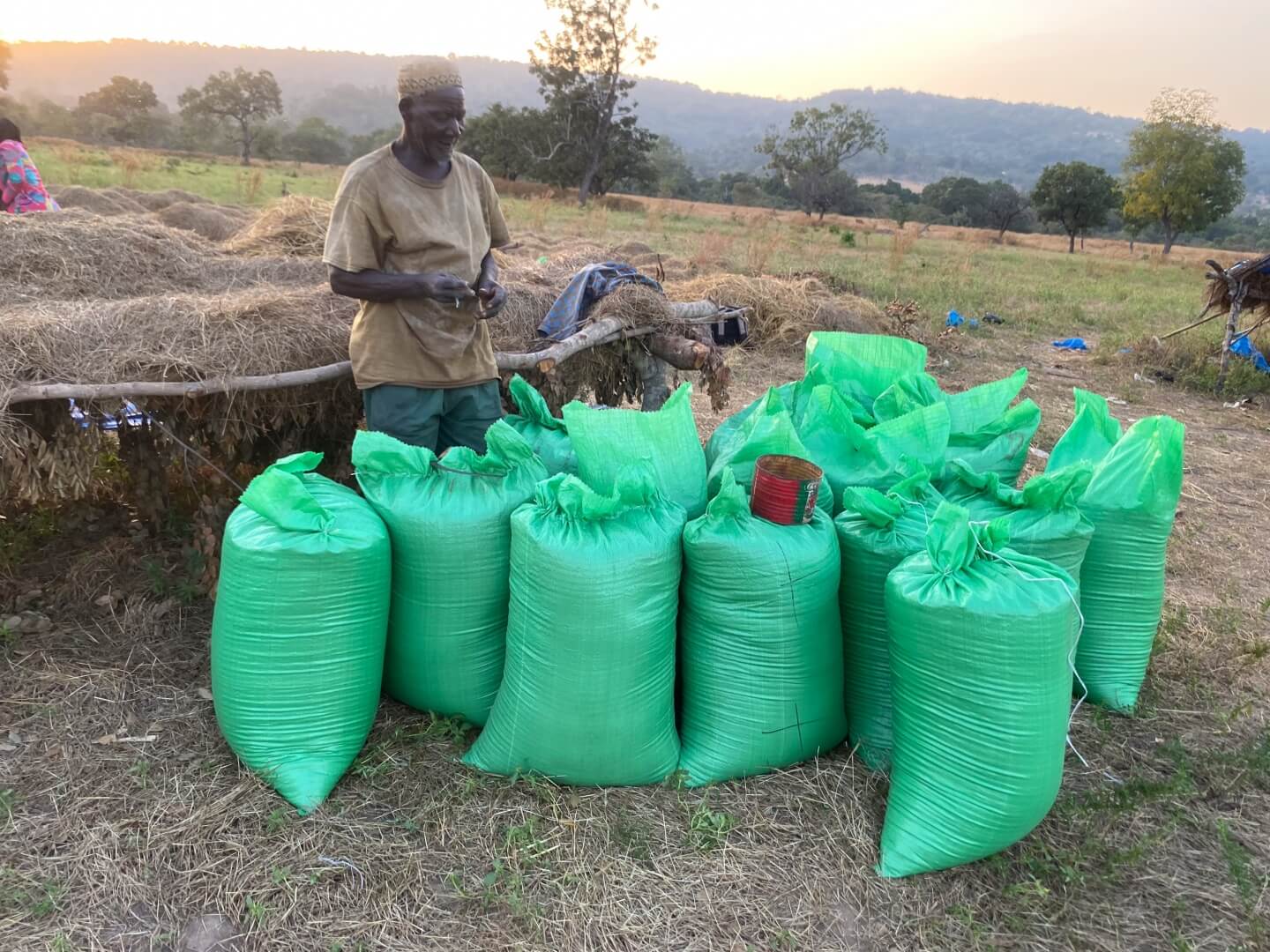
Production growth was driven not only by land expansion but also by significant improvements in yield efficiency in 2025.
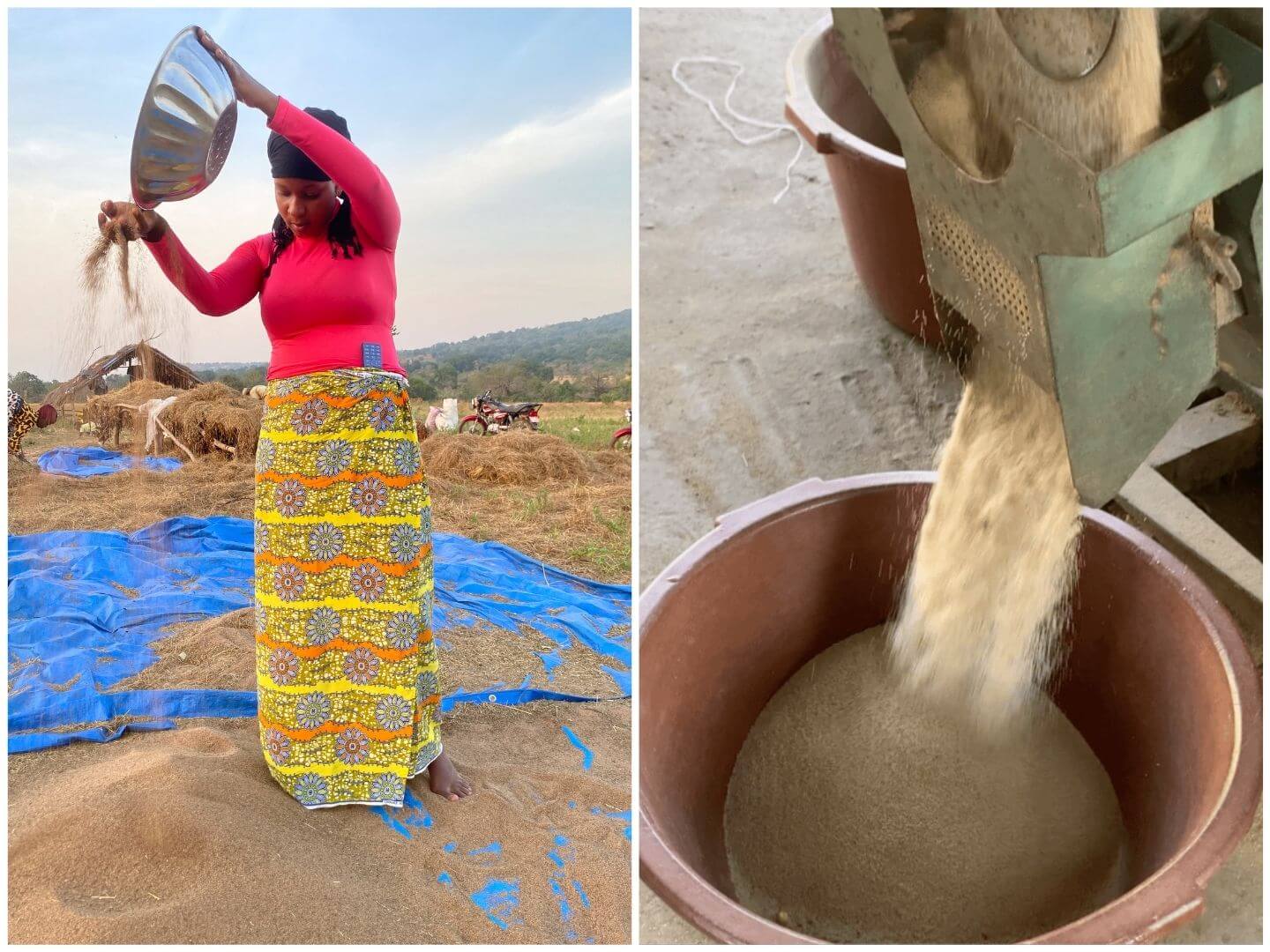
Historically, fonio yields in Guinea averaged 400–600 kilograms per hectare, mainly due to post-harvest losses from manual threshing and decortication. In 2025, average yields increased to about one metric ton per hectare among participating cooperatives.
This improvement was not the result of chemical inputs or genetically modified seed. Instead, it came from:
- Access to shared threshing equipment
- Improved harvesting techniques
- Reduced grain loss during early processing stages
This impact has been especially significant for women, who traditionally perform much of the labor-intensive post-harvest work. Tasks that once took hours to process a few kilograms can now be completed at scale, saving time, reducing physical strain, and greatly improving grain recovery. For buyers, this results in greater consistency, higher yields, and reduced volatility at the source.
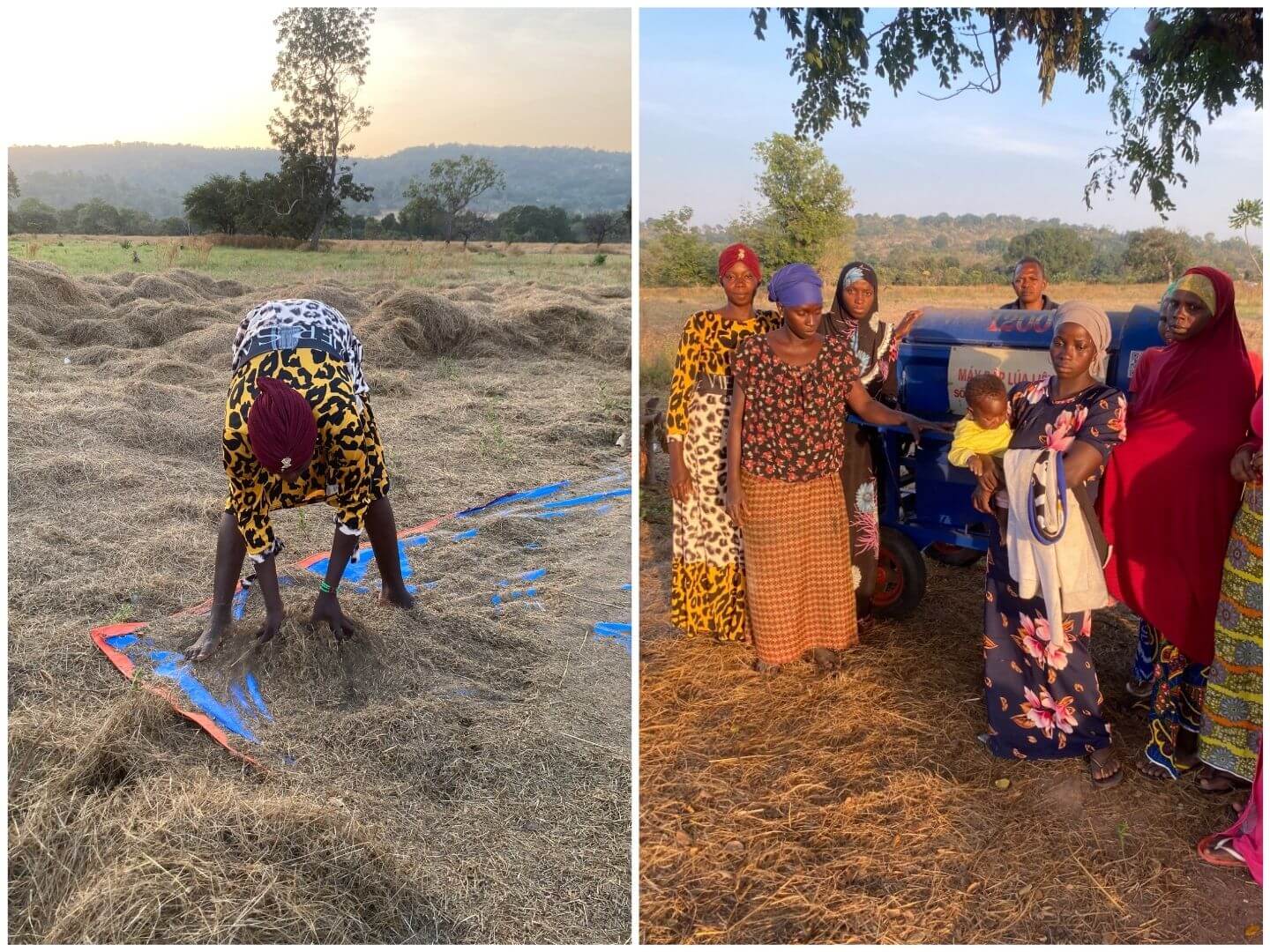
These yield improvements also led to a 30% increase in farmers’ incomes in 2025, demonstrating how efficiency gains provide direct economic benefits to families and communities. Farmers already Fairtrade Certified underwent rigorous assessments to ensure compliance with standards such as fair pricing and sustainable practices. Those awaiting certification will need to complete audited evaluations by Fairtrade organizations.
Buyers can support this process by committing to purchase fonio at Fairtrade prices, helping farmers meet and exceed certification requirements. As demand grows, supporting these certifications can enhance brand reputation and strengthen sustainability narratives for buyers.
Scaling Is Possible — But Demand Must Catch Up

The 2025 season also revealed an important reality: supply growth can outpace demand.
Farmers increased production in response to signals from Terra Ingredients and early commercial partners. When international demand did not meet expectations, Terra collaborated with local partners to ensure farmers did not bear the full risk. To mitigate these risks, Terra introduced minimum price guarantees and buyback programs, helping farmers maintain stable incomes despite market fluctuations and reassuring buyers of the supply chain’s resilience.
Farmers were able to:
- Sell excess fonio into established local and regional West African markets to still make a profit.
- Receive partial compensation recognizing their investment and effort.
West Africa remains fonio’s largest consumption market, with Guinea as both the world’s leading producer and consumer. However, price sensitivity in local markets creates constraints, especially when processing inefficiencies increase costs. This dynamic highlights a key point in fonio’s evolution: production capacity is no longer the main bottleneck; market development is now the primary challenge.
Processing Efficiency: The Next Critical Lever
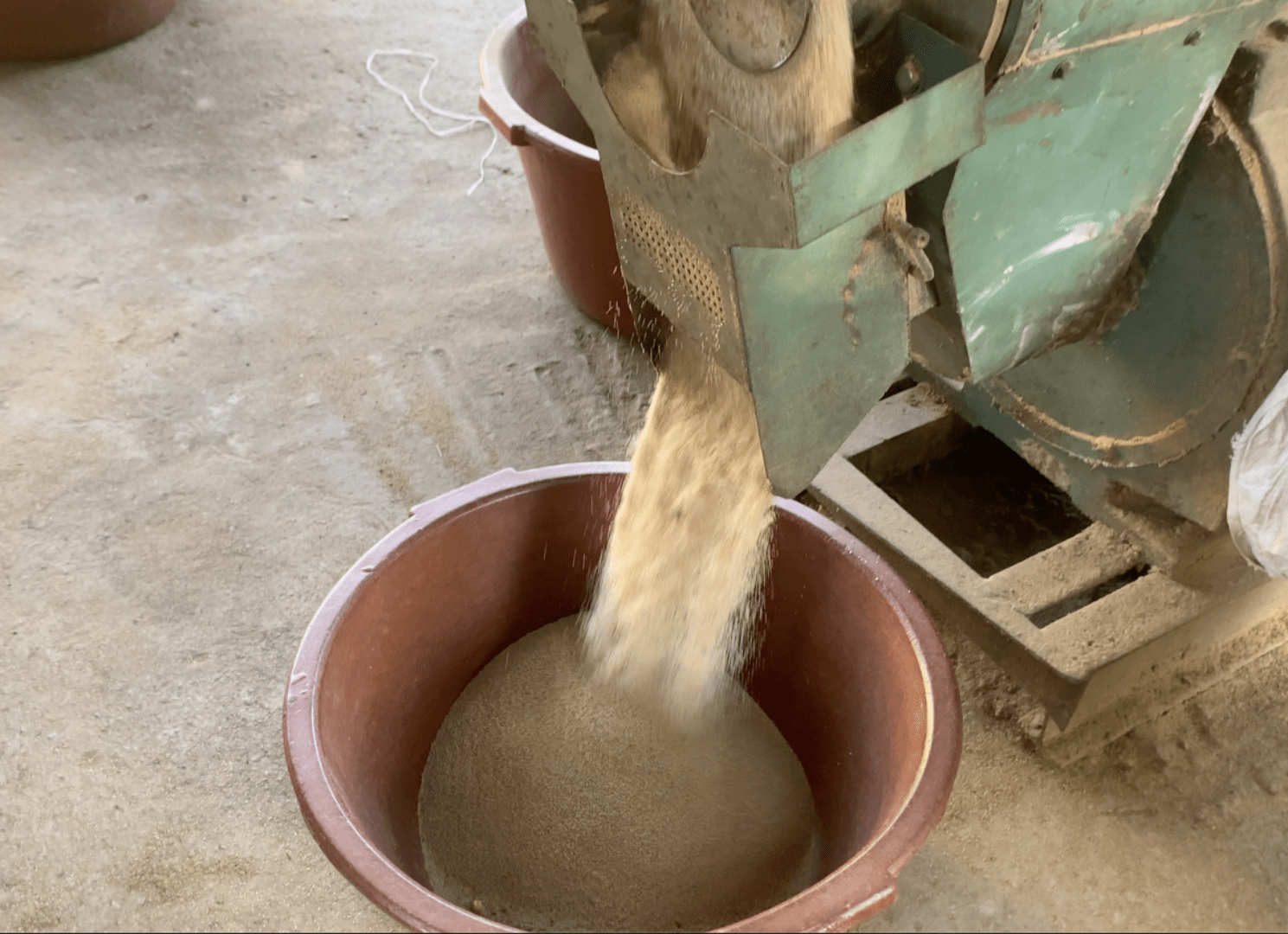
While 2024 demonstrated that fonio can be grown at scale, 2025 showed that processing efficiency will determine the extent and speed of fonio’s growth.
Fonio’s current cost structure is shaped not by farming alone, but by:
- Multi-step handling
- Transportation logistics
- Yield loss during processing
Even small inefficiencies can quickly escalate at scale. For example, a 2% loss at 10,000 metric tons results in a substantial financial impact. Improving recovery rates, reducing waste, and streamlining supply chains are essential for both export markets and greater accessibility within West Africa.
For global buyers, this matters because processing efficiency affects:
- Final ingredient cost
- Batch-to-batch consistency
- Environmental footprint
- Viability in price-sensitive applications
Progress at the farm level shows what is possible with the right tools. Extending this efficiency throughout the supply chain is the next logical step.
Traceability and Risk Management Built In from the Start

As regulatory pressure increases, particularly under the EU’s deforestation-free sourcing requirements, fonio’s traceability infrastructure has become a strategic advantage rather than an afterthought.
Every participating farm in the Guinea program is:
- Digitally registered
- Geolocated
- Screened against deforestation risk using global monitoring tools
This proactive approach allows Terra Ingredients to offer buyers something increasingly rare: an African grain with transparent, auditable origin data at scale.
Instead of retrofitting compliance systems later, the fonio program embedded traceability from the start. This positions fonio as a low-risk option for companies managing Scope 3 emissions and supply chain due diligence.
Beyond Fonio: Crop Rotation and Long-Term Resilience
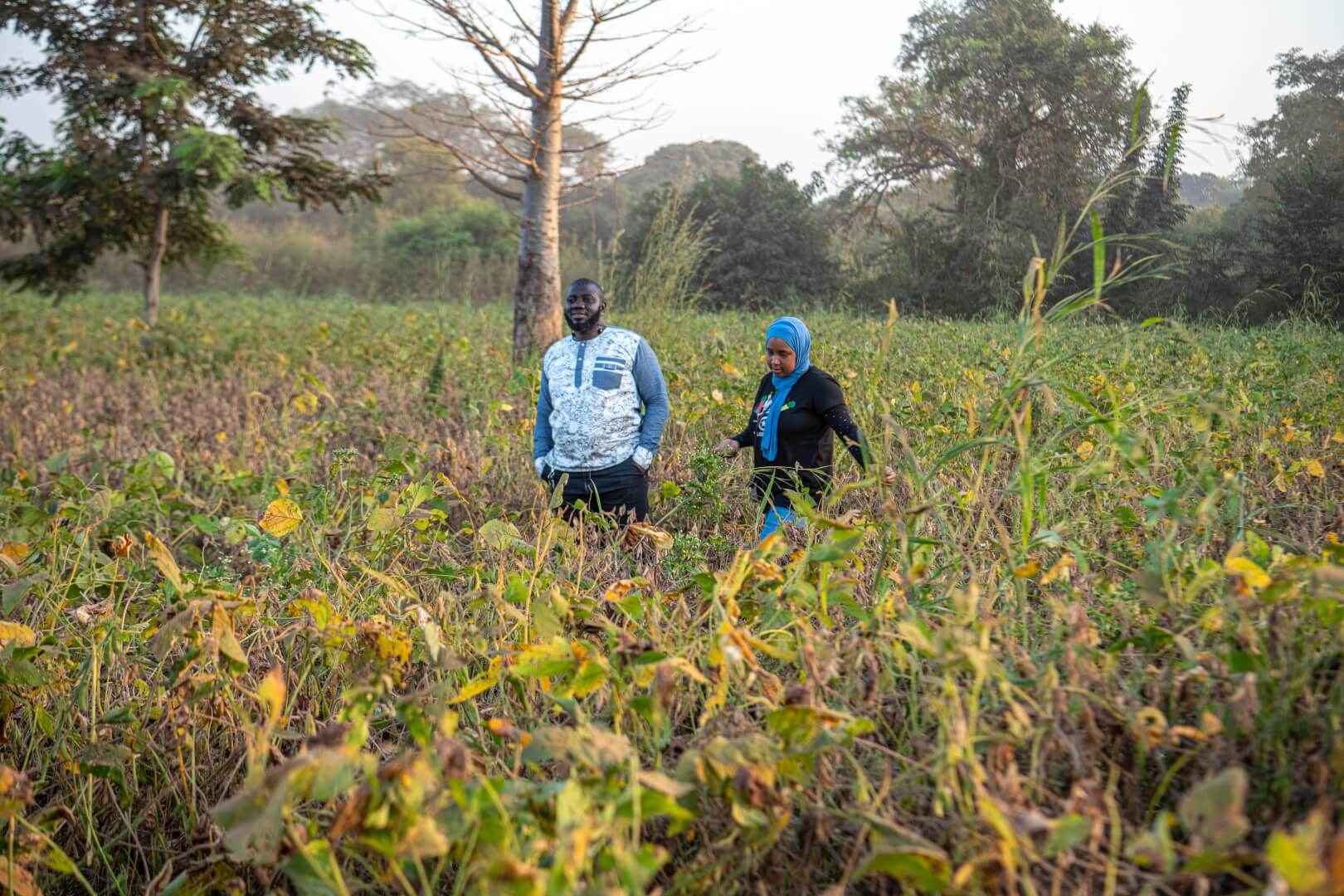
Another notable development in 2025 was the introduction of structured crop rotation models, pairing fonio with other regionally suitable crops to improve soil health and stabilize farmers’ incomes.
For farmers, rotation reduces risk and improves resilience. For buyers, it strengthens the overall supply ecosystem by ensuring fonio is grown within a diversified, sustainable agricultural system rather than as a monocrop.
This systems-level approach reflects the program’s maturity. Fonio is now viewed as part of a long-term agricultural strategy rather than a novelty.
What Surprised Us Most in 2025
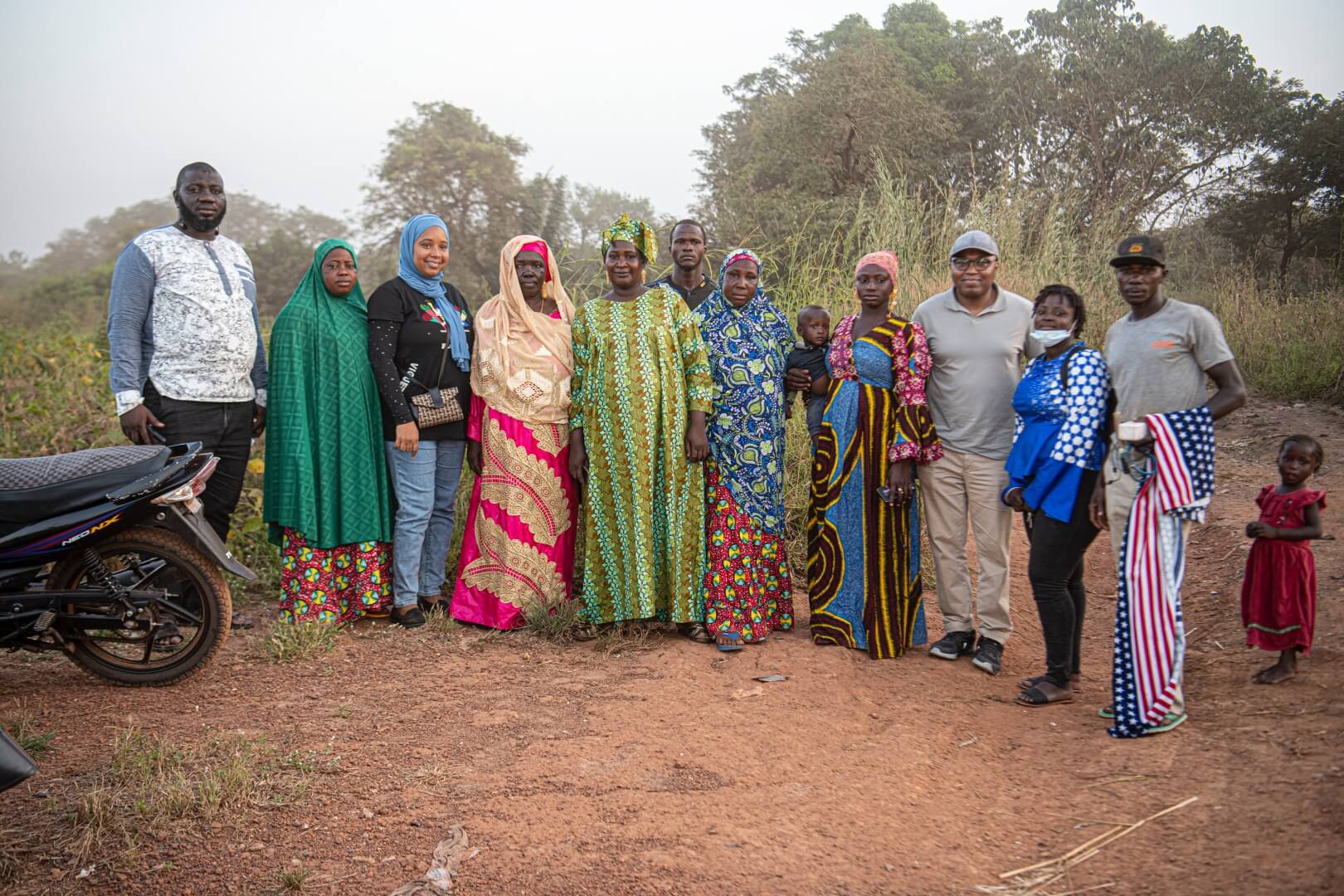
The most notable takeaway from this year’s report is that the results exceeded our expectations.
A year ago, our team asked whether farmers in Guinea could scale fonio production to meet ambitious targets while maintaining quality and consistency. The answer is now clear. The challenge has shifted to aligning infrastructure, processing, and demand with this new scale.
The Guinea fonio program proved that:
- Farmers will invest when markets signal opportunity
- Yield improvements can be achieved without compromising tradition
- Traceability and compliance can be built into African supply chains from day one
The next phase depends less on farmers’ capabilities and more on the readiness of the global market to embrace fonio.
Looking Ahead: Scaling Thoughtfully, Not Blindly
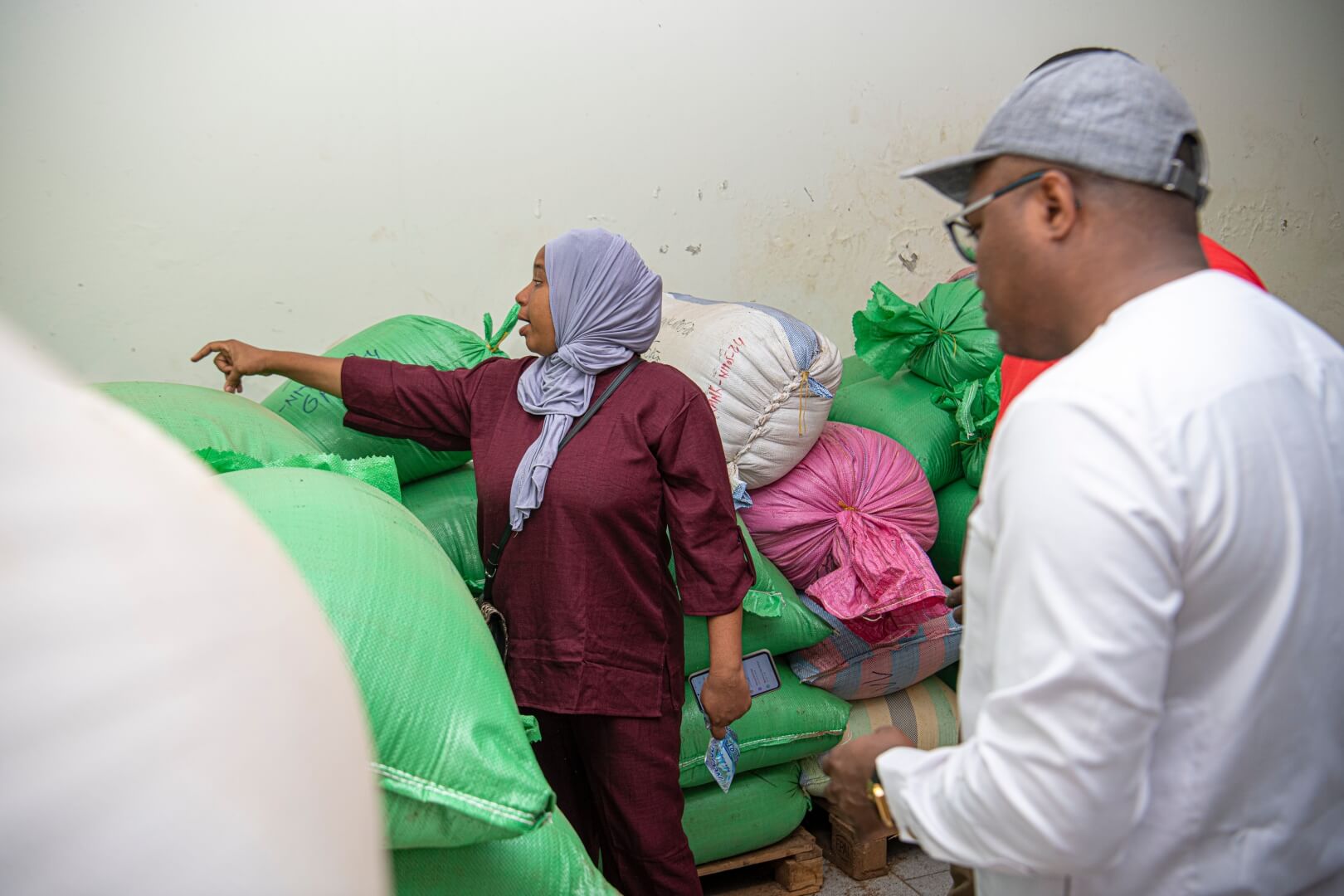
As Terra Ingredients plans for 2026, the strategy remains intentionally measured. Production will likely moderate in the near term to align with demand, while ongoing investments will focus on:
- Processing optimization
- Market education
- Strategic buyer partnerships capable of absorbing volume
Fonio’s future will be built on efficient systems, reliable demand, and transparent partnerships, which have been established in Guinea over the past two years, rather than on hype alone.
For companies seeking ingredients that offer sustainability, resilience, and scalability, fonio is now a proven opportunity, grounded in data, infrastructure, and farmer commitment. We invite buyers to engage through pilot programs and supply agreements to participate in the sustainable development of the fonio supply chain. Early partnership can help shape the market, secure a resilient, scalable grain source, and support alignment with sustainability goals.