When the European Union Deforestation Regulation (EUDR) became law in 2023, it raised the standards for responsible agricultural sourcing, which will officially take effect in late 2026.
Under EUDR, any soy placed on the EU market must be accompanied by precise geolocation data—specifically, geolocation polygons—for every production plot involved in growing the soy, evidence that no deforestation or forest degradation has occurred on those plots after December 31, 2020, and a comprehensive due diligence statement that traces the product from origin to market. For many suppliers, meeting that standard has meant scrambling to build infrastructure they never had.
At Terra Ingredients, we have been building toward this standard for years. Not because regulations required it, but because we believe traceable, farmer-centric supply chains are the right foundation for long-term agricultural trade. Nowhere is that work more visible today than in Ghana, where we have spent the past year working with our local partner to help create a soy supply chain that is mapped farm by farm, tracked from field to container, and independently verified against EUDR standards.
The Northern Ghana Opportunity
When global buyers think about soy origins, Brazil and Argentina dominate the conversation for their conventional farming practices, and for good reason. However, West Africa offers a unique perspective with its organic supply chain, particularly in Ghana, where traceability is built into the system from the beginning.
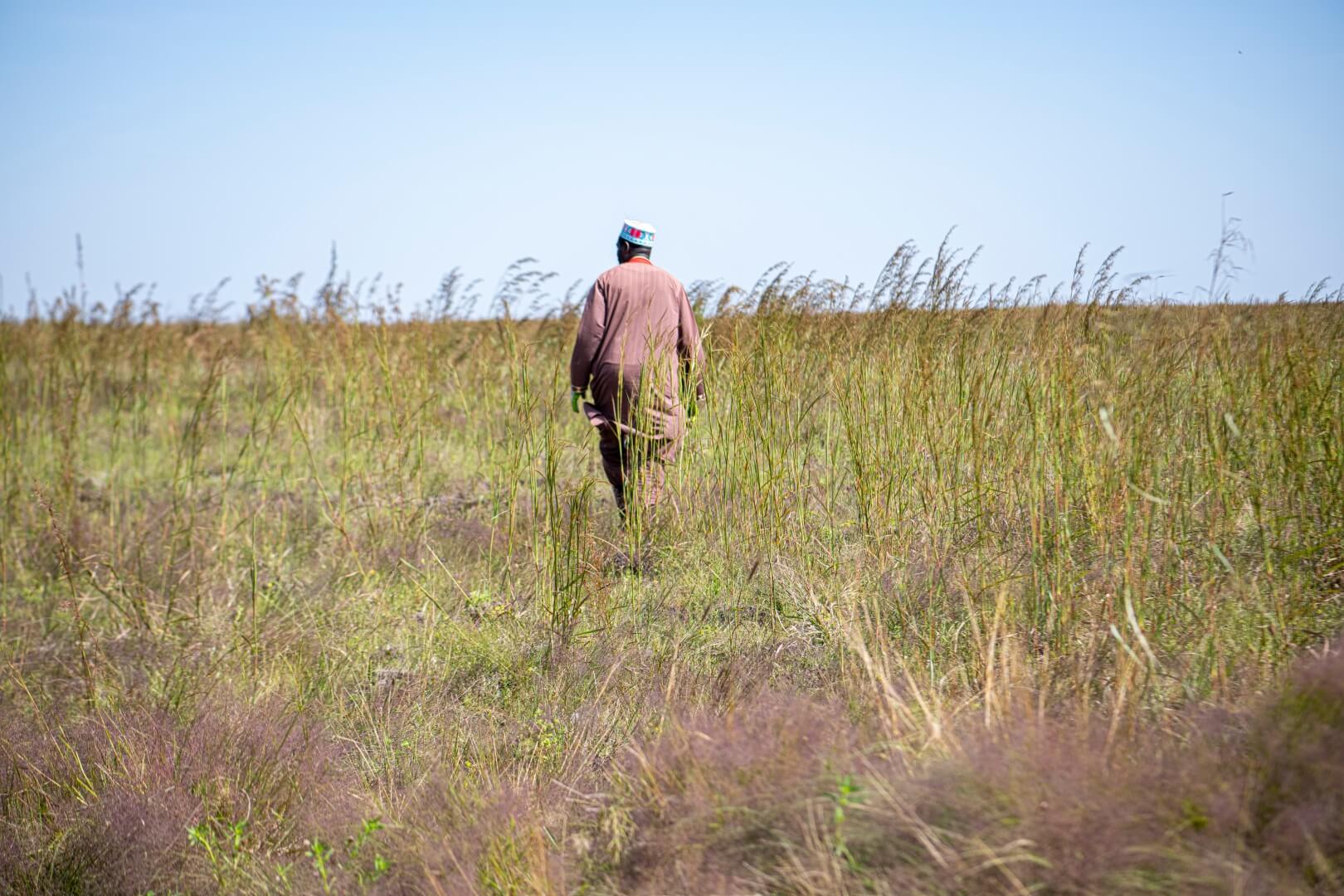
Terra’s Ghana soy is sourced from the Northern Region, centered around Tamale, in the semi-arid savanna that marks the southern edge of the Sahel. This area has a history of soy cultivation, but structured, transparent supply chains connecting local production to international buyers have historically been limited.
In terms of yields, average organic soy yields in northern Ghana are around 1.8 metric tons per hectare. In contrast, conventional yields in Brazil range from 3 to 4 metric tons per hectare. This difference reflects both the climatic challenges faced by smallholder farmers in this climate-vulnerable region and the untapped agronomic potential. The Sahel is grappling with shifting rainfall patterns, droughts, and rising temperatures, complicating farming conditions. Therefore, building a supply chain here requires a focus on resilience, complementing the efficiency seen in conventional systems.
The Partnership: Terra and Lyon Agro
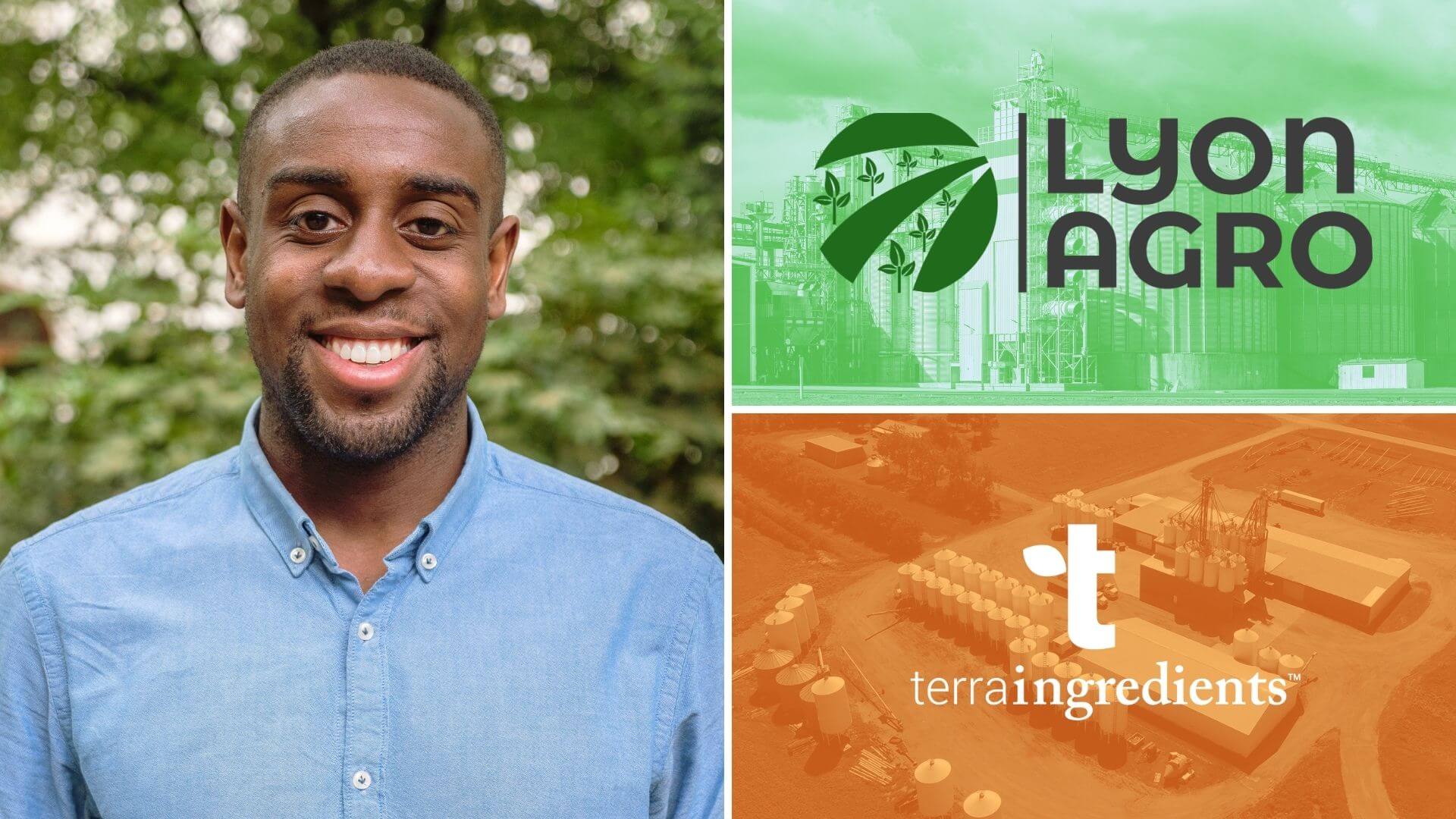
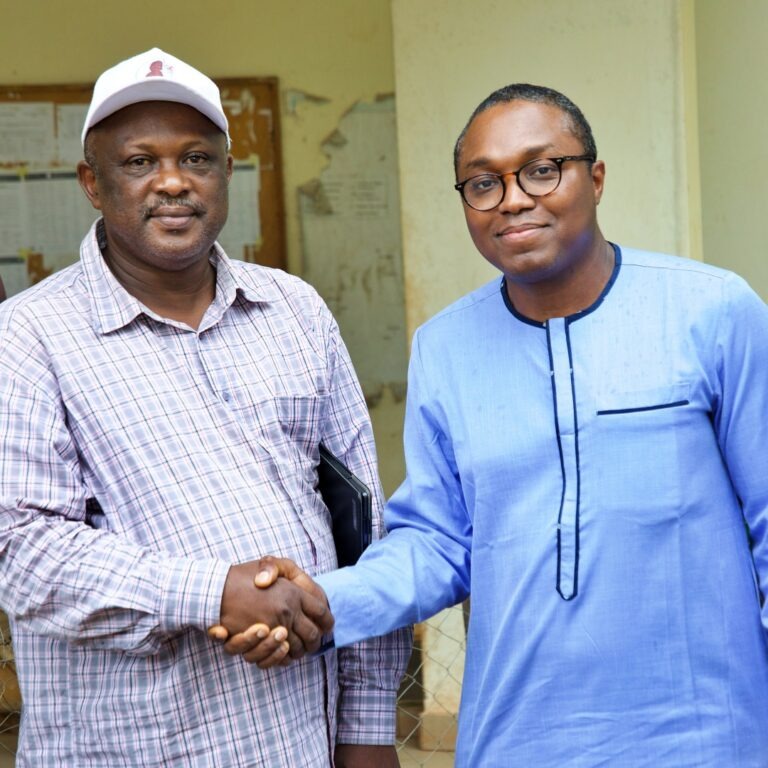
Terra’s work in Ghana is anchored by our partnership with Lyon Agro, a Ghanaian agricultural company founded in 2022 by Nana B Nyantekyi. Nyantekyi grew up in the United Kingdom and later studied in the United States, where he developed a background in sustainable energy and a particular interest in agricultural waste streams and their potential to improve soil health. He later returned to his home country of Ghana in 2020 and, within two years, launched Lyon Agro with a clear focus on northern Ghana’s soy sector.
Today, Lyon Agro works with approximately 1,200 to 1,300 smallholder soy farmers, each farming an average of 4 hectares. Nyantekyi notes that, “In the US, for the same amount of land, you could be dealing with maybe three to five farmers comparatively.”
Terra receives the vast majority of the soy that Lyon Agro procures and ships, but the collaboration goes much deeper. Terra has also helped Lyon Agro build out the infrastructure behind its operations by supporting the company in securing financing through the Organic Development Fund (ODF), thereby improving cash flow and enabling it to scale its farmer network.
“Beyond just the transactional relationship, there’s a lot of meaningful support from Terra. That’s allowed us to expand the volume we can do and bring on more farmers as a result,” says Nyantekyi.
Operating across more than 1,200 smallholder farms in the Northern Region introduces inherent complexity: poor roads to remote communities, dispersed landholdings, and the logistical demands of coordinating purchases across a large number of individual farmers. Lyon Agro manages that complexity through a dedicated field team and a purpose-built technology infrastructure that is designed to make traceability not just possible, but operational.
Traceability Built from the Field Up
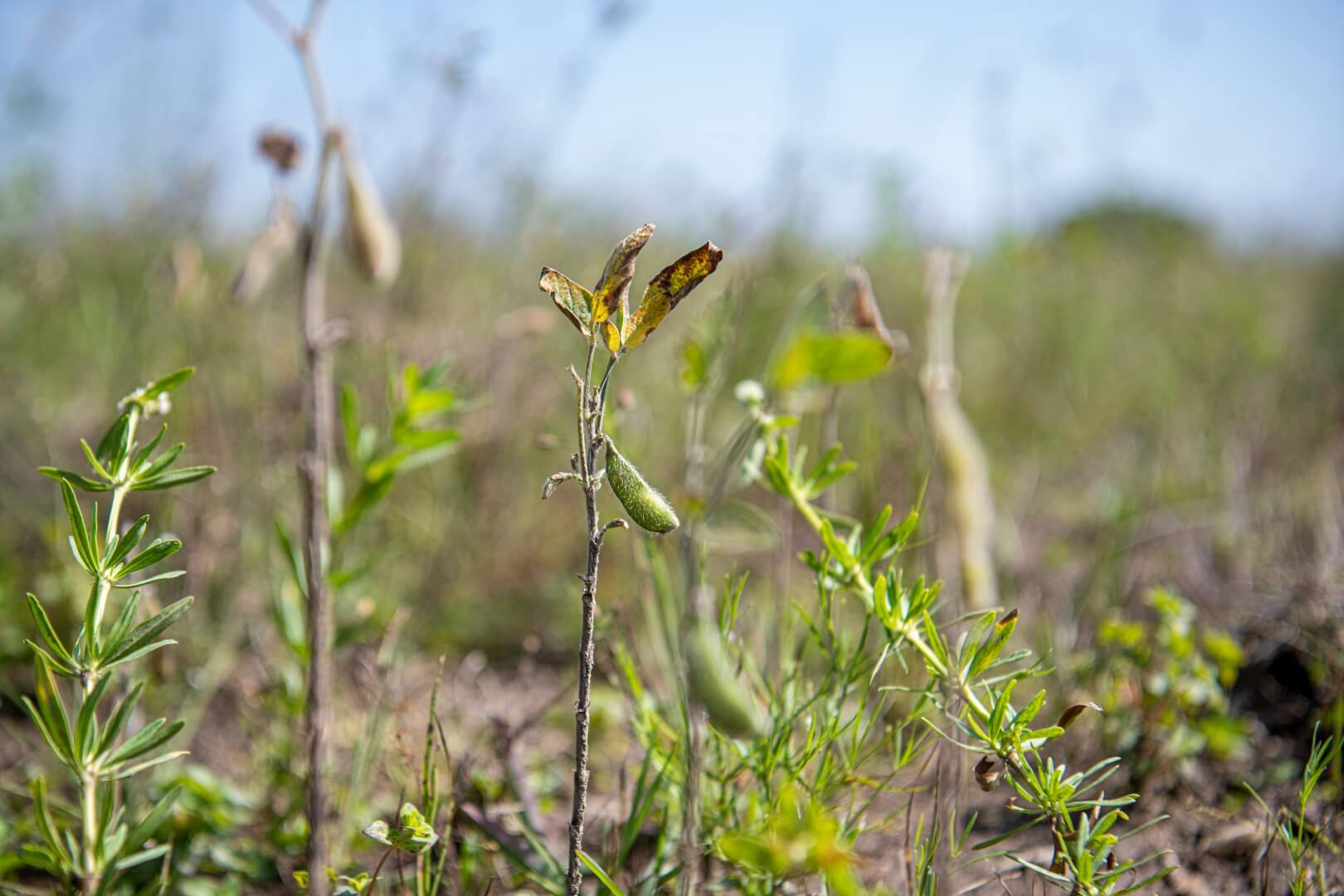
Most soy aggregators in Ghana operate through informal agent networks, with little documentation and limited ability to trace the product back to a specific origin. Lyon Agro has taken a fundamentally different approach, one in which traceability is embedded into everyday operations, not added as a compliance afterthought.
“I think this is one of our big differentiators compared to competitors: we can offer a verifiably traceable supply chain. Everyone says they can do it, but very, very few people actually do,” says Nyantekyi.
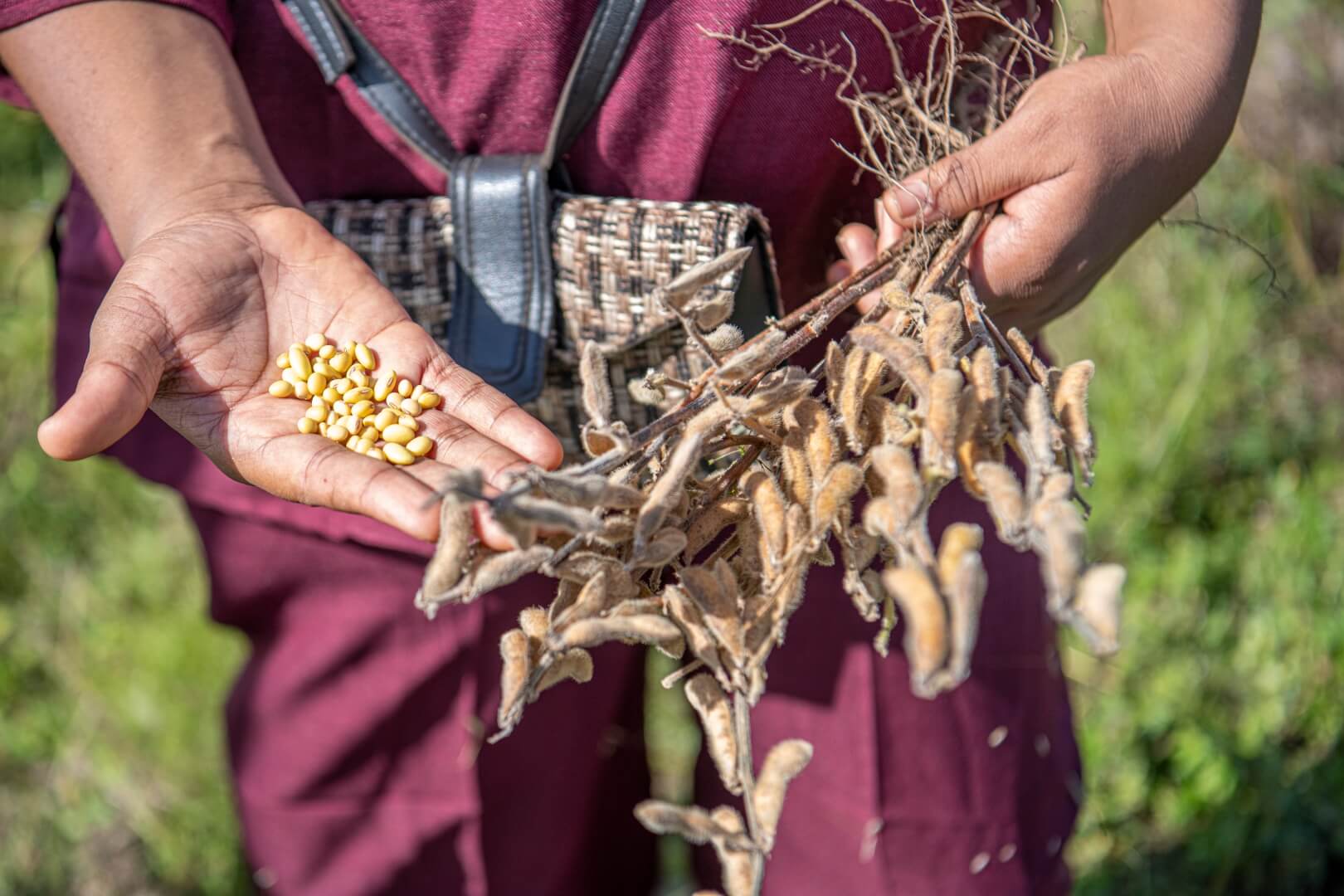
For most aggregators in the region, purchases are routed through agents who deliver consolidated loads to a loading point, often with little to no documentation of the grain’s origin. Lyon Agro operates differently: a field team goes directly to farming communities, purchases from individual farmers, and records every transaction by hand. If it takes 50 farmers contributing one ton each to fill a single truck, that means 50 separate purchase records, each tied to a specific farmer and farm location. All of it feeds into the digital system Lyon Agro built in-house and travels with every shipment to Terra.
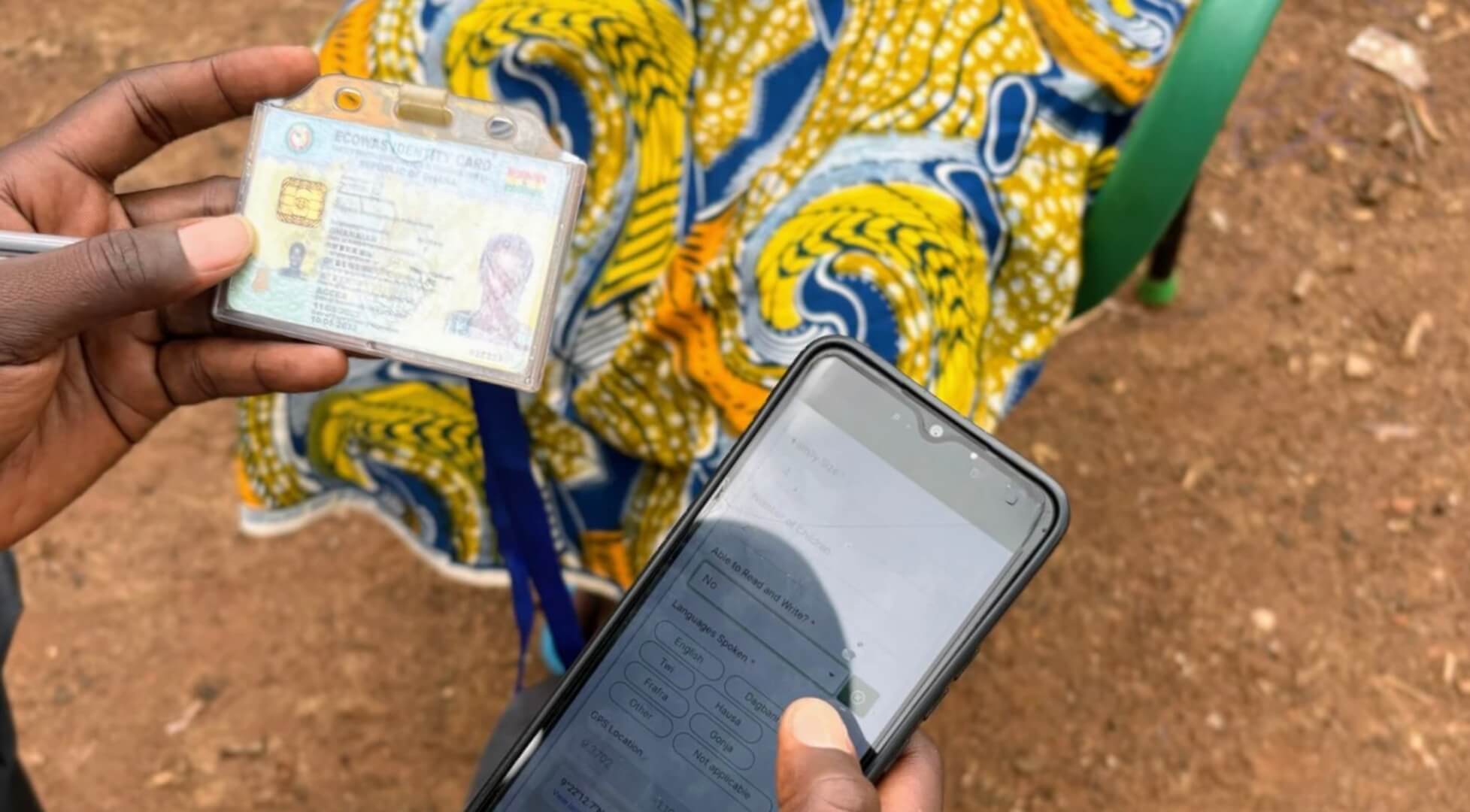
The internal field application Lyon Agro has built is installed on every team member’s phone. When a field officer visits a farming community, the app records each purchase against that farmer’s profile. As soy moves from farm to warehouse, each delivery is logged by the warehouse team. When lots are batched and loaded onto trucks, and then offloaded into shipping containers, every transfer is documented in the system. The result is a continuous, unbroken digital record running from the moment soy leaves a Ghanaian field to the moment it is loaded into a container destined for Terra.
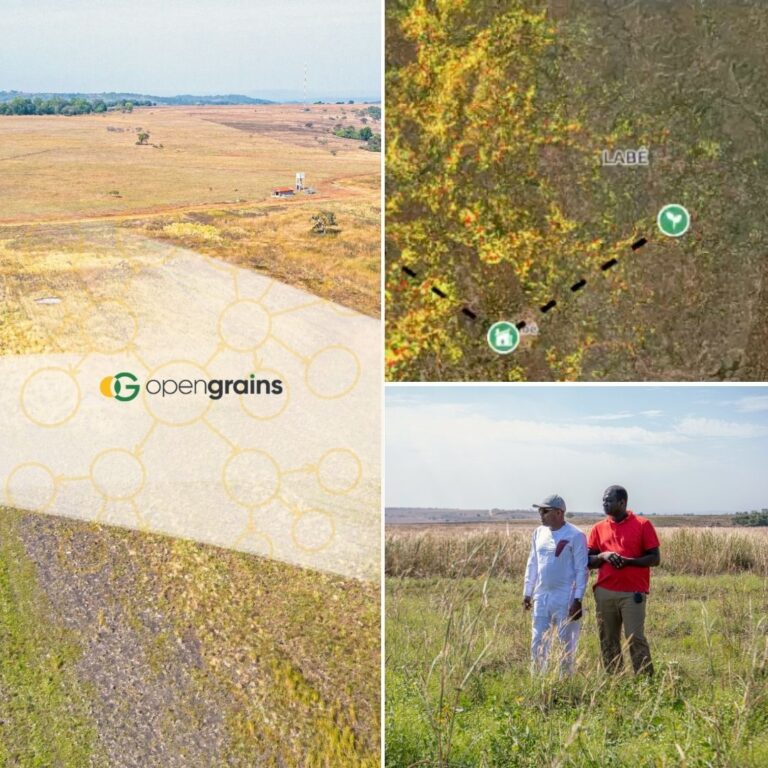
Additionally, farm-level geographic data is collected through a more deliberate process. Rather than relying solely on satellite imagery to define farm boundaries, which Nyantekyi notes can be significantly misleading in the Ghanaian context, Lyon Agro team members physically walk the perimeter of each farm with a Garmin GPS device, recording precise coordinate points along the way.
“If you ever try to look at a Ghanaian farm from a satellite, you’ll see lines that seemingly make sense. And then you go and ask what the actual land is, and you realize it’s a zigzag,” adds Nyantekyi.
This manual approach is more labor-intensive, but it produces accurate farm polygons and gives Lyon Agro reliable yield estimates, since verified farm size enables the company to anticipate how much soy a given farmer can deliver in a season. That base data is also designed to feed into external verification tools that cross-reference farm locations against satellite imagery, deforestation records, and waterways data to confirm EUDR compliance at the farm level.
Customers Are Already Auditing
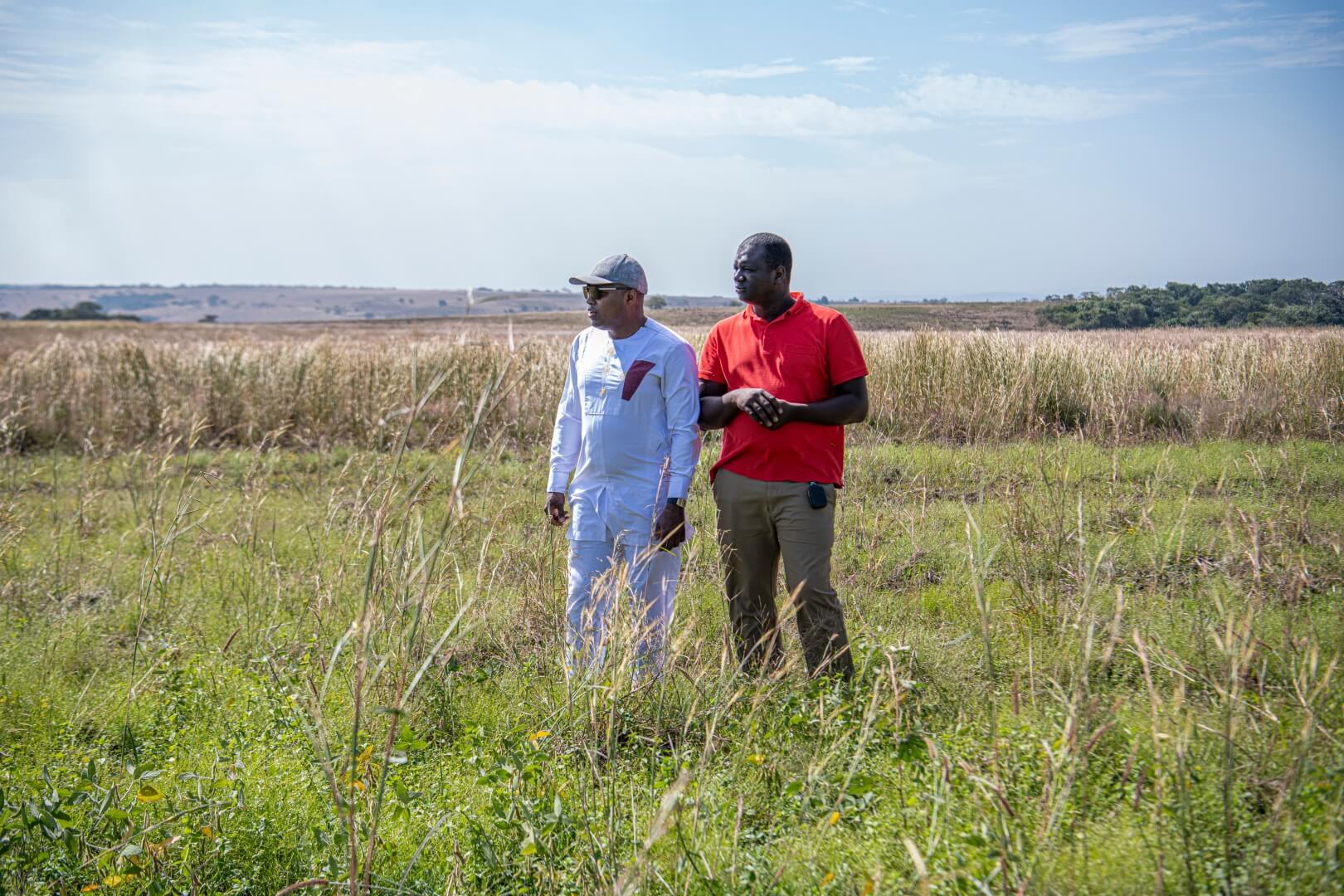
When EUDR enforcement officially goes into effect later this year, buyers will no longer be taking supply chain claims on trust alone. Customers are already visiting our Ghana operations and conducting their own due diligence, reviewing how farms are mapped, examining traceability documentation, and verifying that the data behind each shipment is real.
Because Lyon Agro has built a comprehensive documentation infrastructure from the ground up, rather than assembling paperwork after the fact, we can meet those requests with exactly what buyers are looking for. Farm polygons, purchase records, warehouse receipts, and lot-level shipment data are all available for review. For buyers operating under EUDR or simply managing supply chain risk, that kind of verifiable documentation is increasingly the difference between a supplier they can work with and one they cannot.
A Supply Chain Built for What’s Coming
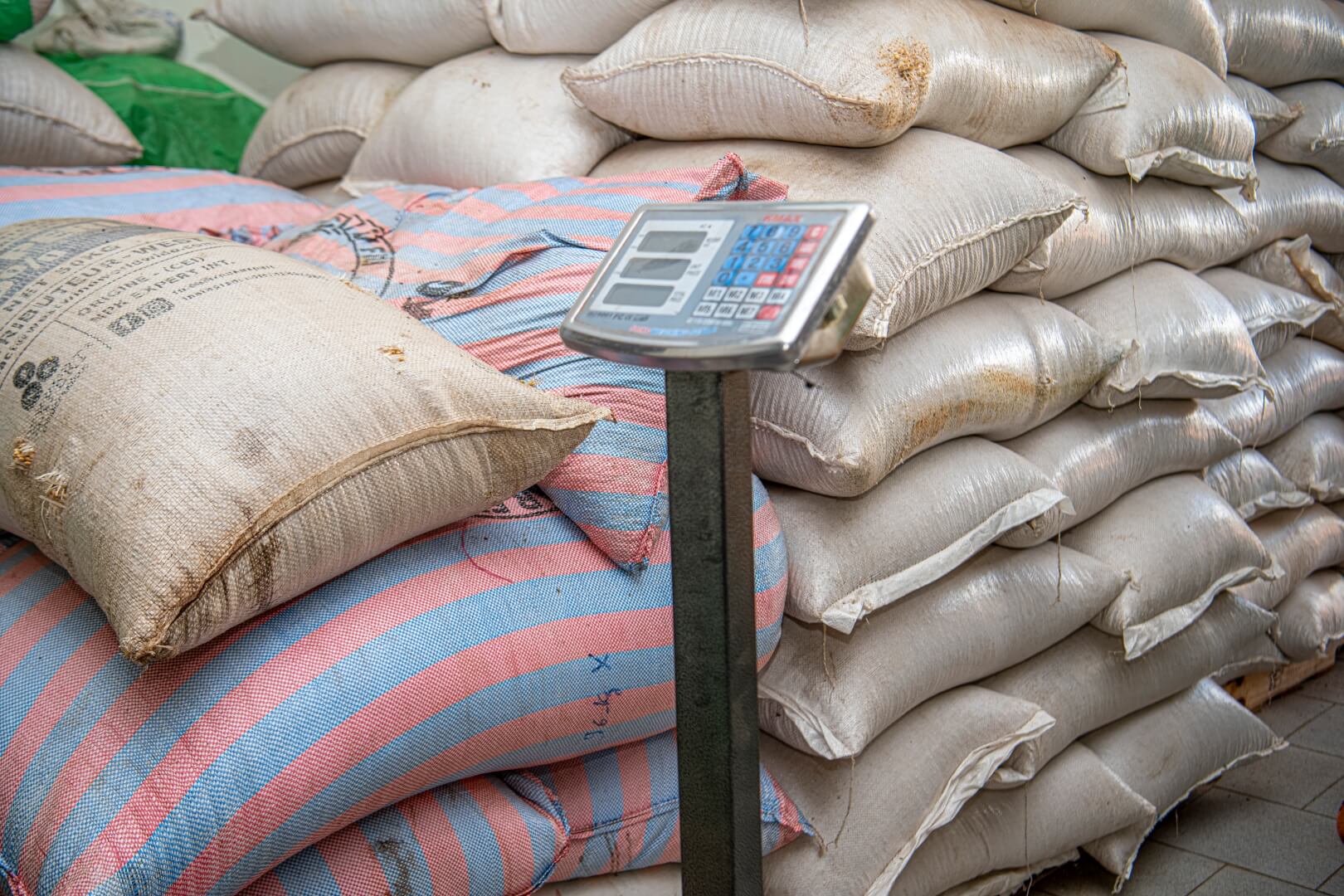
Lyon’s Ghana soy program currently handles approximately 20,000 metric tons annually, sourced from a GPS-verified network of farms spanning the Northern Region, with digital transaction records running from initial purchase to loaded container. It is a supply chain built to withstand scrutiny.
Nyantekyi views the data being built today as a long-term strategic asset, one whose value will grow alongside regulatory and market expectations. “Having that data over a three, five, ten-year horizon in the future will become a massive part of our value proposition,” he explains. “Customers are starting to audit for those parameters, and I just think it’s a matter of time.”
At Terra, we have held that same belief long before we began building traceable supply chains across West Africa. The EUDR has set a new standard for transparency in agricultural trade. Our Ghana soy supply chain, built farm by farm, field walk by field walk, is already there.
For food manufacturers, feed producers, and commodity traders seeking a traceable, deforestation-free soy origin backed by verifiable data, Ghana is a supply chain worth knowing. We invite you to reach out to learn more.