When the European Union announced its new Deforestation Regulation (EUDR), designed to eliminate deforestation from global agricultural supply chains, many companies found themselves scrambling to adapt.
At Terra Ingredients, the regulation simply validated a system we had already built.
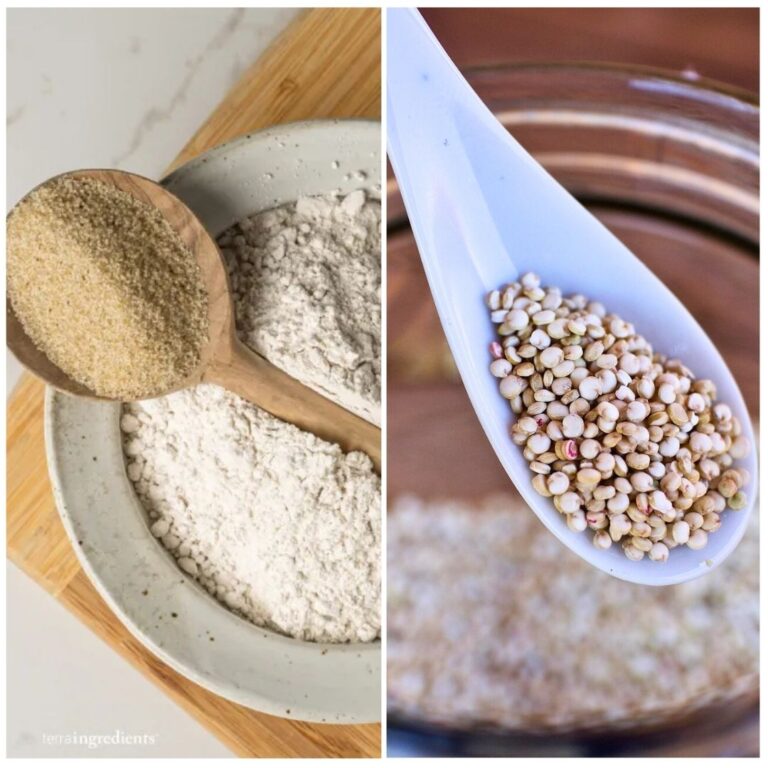
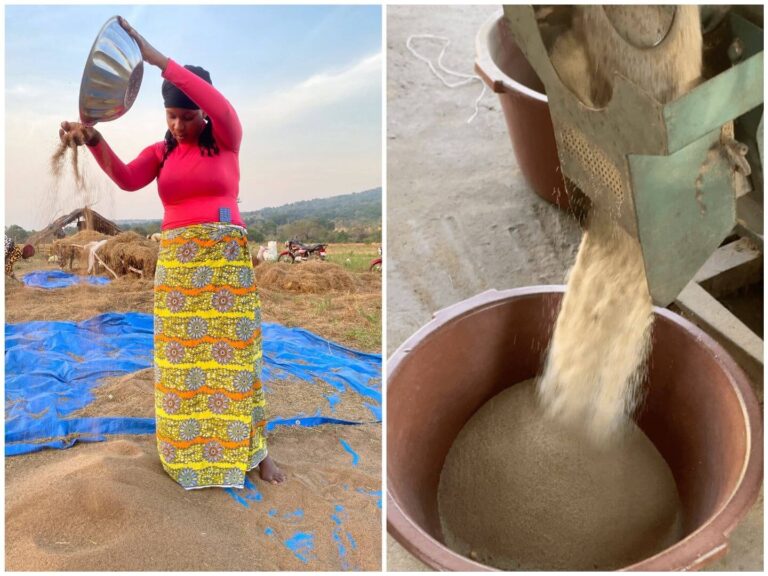
For years, we’ve been developing deforestation-free, fully traceable sourcing networks across West Africa—long before “EUDR compliance” became an industry phrase. What began as a small initiative to support fonio farmers in Guinea has evolved into a model for transparent, ethical agricultural trade that meets (and often exceeds) the world’s most demanding sustainability standards.
What the EUDR Requires

The European Union Deforestation Regulation (EUDR), which entered into force in 2023, requires that commodities like soy, cocoa, coffee, and palm oil placed on the EU market are proven not to contribute to deforestation or forest degradation.
Starting in 2026, all operators and traders must be able to demonstrate:
- Exact geolocation data for every farm supplying the product
- Evidence of no deforestation after December 31, 2020
- A due-diligence statement showing full supply chain traceability and risk assessment
In other words, companies must now know not just what they’re sourcing—but exactly where it was grown, and how that land was managed.
A System Built Ahead of Regulation

At Terra, we’ve never waited for new rules to tell us what responsible sourcing should look like. Our work in Senegal, Guinea and Ghana was founded on the principle that traceability and environmental stewardship are inseparable from long-term trade viability.
Each of our farmer partners is geolocated and mapped, with land-use history verified through satellite imagery. Every crop can be traced to its field of origin, with complete documentation available for audit.
These systems weren’t created to satisfy a regulation—they were created to build trust between smallholder farmers and the global buyers who depend on them.
Proving Sustainability Through Practice

When we first began working with fonio in Guinea, one of our biggest goals was to demonstrate that smallholder agriculture could be both sustainable and scalable. That meant investing not only in the technology to track compliance, but also in the people behind it.
By working directly with local cooperatives—rather than through multiple layers of brokers—we’ve helped over 1,200 farmers achieve higher income stability and improved access to resources.
Through fair pricing and guaranteed purchase programs, average farmer incomes have increased by up to 30%, according to our latest Guinea Impact Report.
In many communities, the impact extends beyond economics. Farmers like Maimouna Diallo, a cooperative leader and now employee of Terra Ingredients in the Fouta Djallon region, are helping reshape what agricultural leadership looks like—particularly for women. Her work with Terra has encouraged more women to take on leadership roles in farmer organizations, while promoting regenerative farming methods that restore local soils.
Fairtrade and Fonio: A Foundation for Ethical Trade

In 2024, Terra Ingredients and our network of fonio farmers in Guinea achieved Fairtrade certification after a comprehensive audit of our entire supply chain—from field to final processing.
For us, the certification was not a new direction but a recognition of long-standing practice. Fairtrade standards reinforce the same values that have guided our work from the beginning: equitable partnerships, transparent pricing, and community reinvestment.
Becoming Fairtrade certified also helps strengthen the economic foundations of the smallholder cooperatives we work with. The Fairtrade premium allows these communities to invest in local priorities such as seed banks, women’s training initiatives, and improvements to storage and processing infrastructure—all of which support both productivity and resilience.
This certification, combined with our existing traceability systems, means Terra’s fonio supply chain now aligns perfectly with the requirements of the EUDR. Every farm is GPS-verified, every batch of grain traceable, and every cooperative independently audited for social and environmental integrity.
From Fonio to Soy: Expanding the Model

What began as a single-crop initiative has grown into a broader agricultural model. In Guinea, Terra now supports the country’s first deforestation-free soybean supply chain and is pursuing organic certification for 2026—an effort that mirrors our fonio success and demonstrates that sustainable production can scale beyond niche crops.
Each soybean field is mapped and monitored using the same GIS-based verification tools that underpin our fonio program. This ensures that land-use data is transparent and that every grower meets the EUDR’s cutoff date for no deforestation after 2020.
In Ghana, we’ve partnered with Lyon Agro to expand traceability and logistics capabilities across new organic soy networks. These partnerships are designed to empower local operators while ensuring that Terra’s high verification standards remain consistent across regions.
Technology Meets Human Connection

While our systems rely on digital traceability, our approach has always been deeply human. Compliance tools only work when they are paired with trust and training on the ground.
That’s why our local field teams in Guinea and Ghana work directly with cooperatives to collect data, verify farm boundaries, and educate growers on soil conservation, inter-cropping, and reforestation practices. By building local technical capacity, we ensure that traceability benefits not only export markets but also farmers themselves.
These ongoing investments have resulted in:
- 100% GPS-mapped fonio and soy farms verified against deforestation data
- Zero recorded deforestation across our partner network since 2020
- Continuous training programs on sustainable land management and record-keeping
Ethical Trade Is Not New—It’s Who We Are

For Terra Ingredients, compliance is not a box to check—it’s the natural outcome of how we’ve chosen to do business. Our parent company, AgMotion, has long operated with the belief that trade can and should improve livelihoods at origin. The EUDR simply formalizes what ethical suppliers have already known: sustainability begins with accountability.
In practice, that accountability means transparent relationships between buyers and farmers, clean data on land use, and a supply chain built to stand up to scrutiny. We’ve built those systems not because regulations required them, but because long-term trust in agricultural trade depends on them.
Looking Ahead
As 2026 approaches and EUDR enforcement begins, Terra’s partners—whether traders, food brands, or manufacturers—can take confidence knowing their ingredients already meet the world’s newest sustainability benchmark.
But for us, this milestone isn’t the finish line. It’s the continuation of a philosophy we’ve held since the beginning: that responsible sourcing is not about meeting minimums—it’s about setting higher standards.
Through Fairtrade certification, farm-level mapping, and farmer-led leadership development, we’re showing what ethical supply chains can look like when they’re designed to serve everyone involved.
The EUDR has set a new bar for transparency. At Terra, we’re proud to have reached it years ago.